




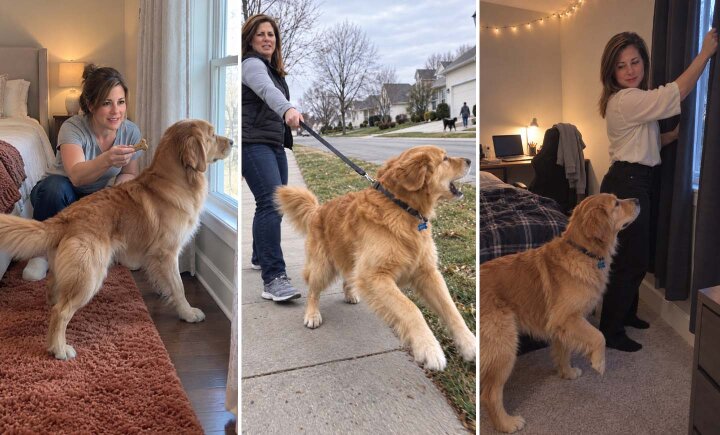
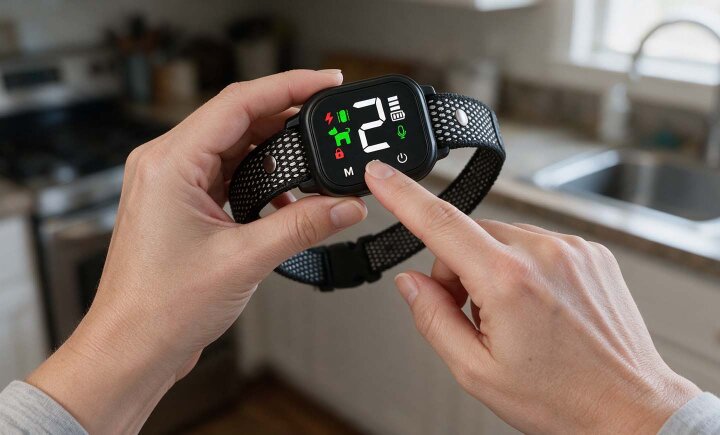
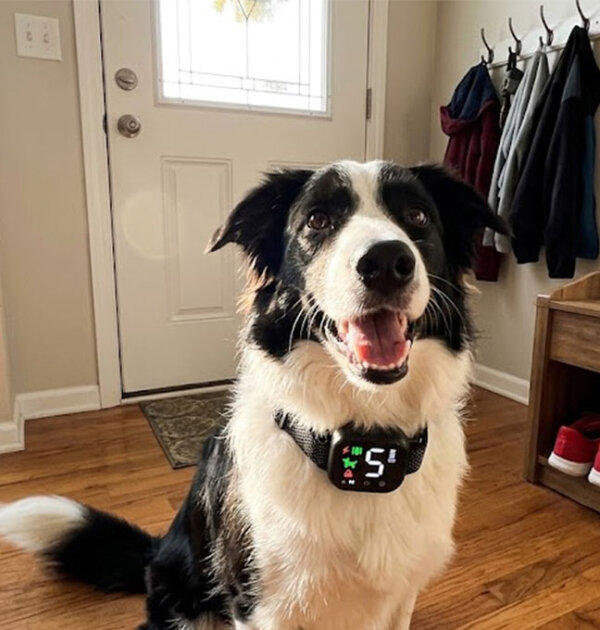
Our dog Duke had always been a little vocal. Someone came to the door, another dog passed the window, a noise came from the hallway – he’d bark. For a long time, I told myself it was normal. Dogs bark. But after a while, it felt like everything set him off. Footsteps outside, a car door, voices through the wall. Sometimes my wife and I couldn’t even hear whatever he was reacting to. The worst part was that we started living on edge, too. I’d tense up when someone came near the door, look out for other dogs on walks, and spend evenings half-listening for the next thing that might send him to the window. Then our neighbor mentioned it. They weren’t angry. They just asked if there was anything we could do because they’d been hearing him a lot lately. Sometimes, they said, the barking was even keeping them awake. I apologized, went back inside, and felt awful because they were right. “Dogs bark” didn’t feel like much of an excuse anymore when it was affecting other people, too. That was when we knew we had to do something. At first, I thought we just needed to be more consistent. We’d tell him “quiet,” call him away from the window, wait for him to calm down, then reward him. Sometimes it worked. Ten minutes later, we could be right back where we started. So we tried longer walks, more playtime, closing the curtains, and redirecting his attention before he got too worked up. None of those things were useless, but they all had the same problem – one of us needed to be there and react at exactly the right time. If we were working, cooking, in another room, or just a little too slow, Duke could already be well into a barking fit before either of us got his attention. After a while, I hated how frustrated I was getting with him. I’d hear the first bark and feel annoyed, then feel guilty because I knew he wasn’t deliberately trying to make our lives harder. One night, after pulling him away from the window again, I started looking for something else I could try. That was when I found the NooBark Anti-Bark Collar. My first reaction was absolutely not. We wanted some peace, but I wasn’t willing to hurt our dog just to get it. I’d always assumed bark collars worked one way – the dog barks and gets shocked. I nearly dismissed it there, but I kept reading. What surprised me was that NooBark wasn’t the harsh, all-or-nothing collar I had pictured. It gave us control over how Duke was trained. It has four training modes, with bark sensitivity, vibration, and static levels adjustable from 1 to 8. That meant we could start with beep + vibration, keep everything low, and see how Duke reacted. I also started to see why it might work differently from what we had already tried. Until then, every attempt to stop the barking depended on one of us noticing it and responding quickly enough. The collar could give him feedback the moment he barked, even if we were across the room or busy doing something else. I was still worried about false triggers, though. NooBark uses a built-in sound sensor with waveform recognition designed to help filter out unrelated background noise, although nearby barking can still trigger it. I knew we’d need to watch Duke at first and adjust the sensitivity if necessary. I still wasn’t completely sold, but at least we felt comfortable enough to try it. We started with beep + vibration on a low setting and stayed nearby the whole time. If Duke seemed stressed or frightened, I was taking it straight off. Someone walked past the house, and he ran to the window barking. The collar responded, and he stopped almost right away, then looked around as if he wasn’t sure what had happened. A minute later, he tried again. Same thing. He wasn’t scared. He wasn’t yelping or cowering. Mostly, he seemed confused, the way he does when I move his food bowl. He obviously wasn’t trained in one day, and we weren’t expecting the collar to undo years of habit in an afternoon. But he was okay – and that was the only thing we needed to know before day two. The first few days were about dialing in the sensitivity and letting Duke get used to wearing it. Then someone knocked at the door. Normally, that meant a few minutes of chaos – barking, one of us calling his name, pulling him back, apologizing over the noise. This time, Duke barked twice, the collar responded, and he stopped. We waited for him to start again. He didn’t. It was only afterward that I realized what was different: neither of us had said “quiet” once. We hadn’t even stood up. For the first time, the correction had happened without us. And at the exact moment it needed to, while we were still sitting on the couch. This was when something changed that had nothing to do with the collar going off. One afternoon, Duke heard footsteps outside and walked toward the window. I braced for it. Instead, he looked out for a moment, then turned around and lay back down. No bark, beep, or any correction at all. That was the first time it seemed like he was making the connection himself. It didn’t happen every time, and we kept up his walks, the redirection, and the rewards when he settled. We didn’t want a silent dog. We wanted one bark not to turn into five minutes of noise. That was happening much less. Near the end of the month, we had a friend over. A car pulled up outside at one point, and later someone walked past the window. Duke noticed both. Neither turned into the kind of barking session we’d spent months apologizing for. A couple of hours in, I realized neither my wife nor I had reprimanded him, moved him away from the window, or explained him to our friend once. We’d just had a normal evening. And then, that weekend, the moment that actually told me it had worked – I ran into my neighbor by the mailboxes. We talked about the weather. The barking never came up. It hadn’t come up in weeks. We bought NooBark because we wanted a quieter dog. I didn’t expect how much easier everyday life would feel or how straightforward the collar itself would be to use. • We weren’t saying “quiet” 50 times a day. Once we weren’t correcting him all day, we could relax around him again instead of waiting for the next barking fit. I also noticed NooBark had over 8,000 verified reviews, and a lot of the positive feedback sounded very familiar. Owners weren’t just talking about less barking – they were talking about calmer homes, less yelling, and not constantly waiting for the next outburst. Does it hurt your dog? What if it reacts to random noises? What if my dog is stubborn? Will it stop my dog from barking completely? Is it practical to use every day? A month before we tried NooBark, we were constantly telling Duke to be quiet and worrying about another complaint from the neighbors. What changed my mind was being able to start with beep and vibration, adjust the sensitivity ourselves, and give Duke feedback right when the barking happened. Even when we were busy somewhere else in the house. A month later, he still barked sometimes. The difference was that a couple of barks were much less likely to turn into a five-minute barking fit, and we weren’t spending all day repeating “quiet.” I still see it as a training tool, not a replacement for exercise or proper training. But if excessive barking is making your home stressful, I think NooBark is worth trying. The 30-day money-back guarantee made that decision easier, too, since I knew we could send it back if it wasn’t right for Duke. We got ours through the official NooBark store, where the current offer and guarantee are available.We’d Already Tried Everything We Could Think Of
What Changed My Mind About Trying NooBark
We Tried NooBark for 30 Days. Here’s What Happened
DAY 1:
END OF WEEK 1:
WEEK 2-3:
END OF WEEK 4:

The Barking Improved. But These Were The Changes We Actually Noticed Every Day
• We stopped worrying about the neighbors. After that first complaint, it felt awkward every time we saw them. Once the barking settled down, that feeling started to fade, too.
• Duke was still himself. He still barked when something caught his attention. We just weren’t dealing with five-minute barking sessions every time someone walked past.
• We could adjust it to suit him. Being able to tailor the mode and intensity to Duke made it feel completely different from the harsh bark collar I’d originally pictured.
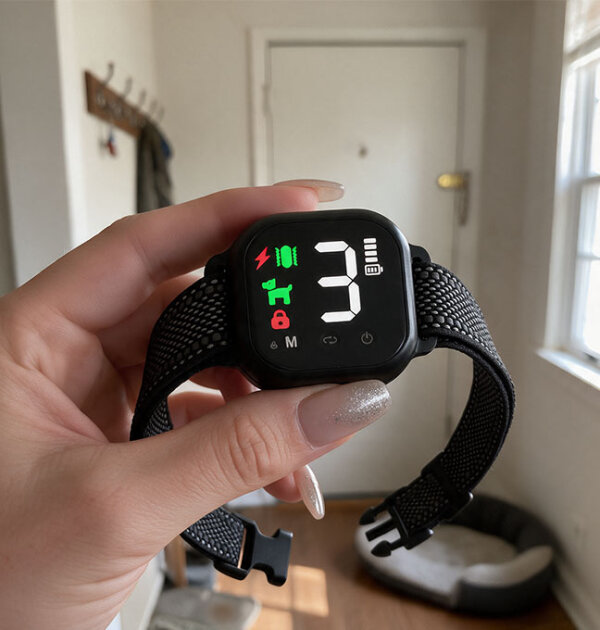
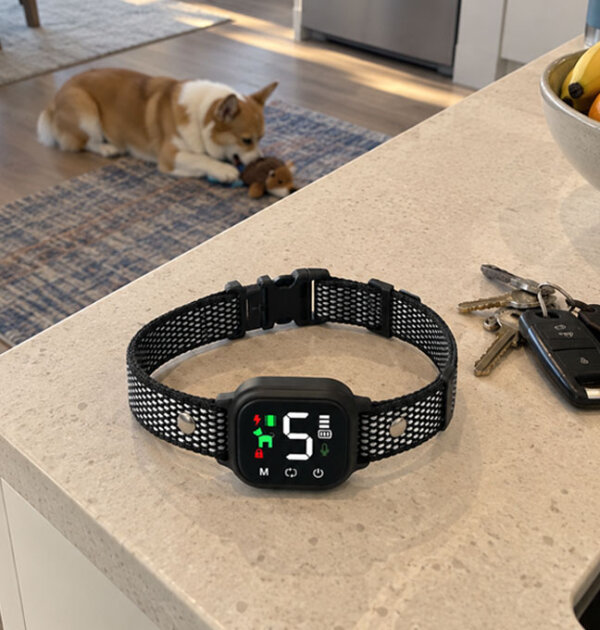
• It was easy enough to live with day to day. The lightweight, adjustable fit was comfortable for Duke, and the LED display made the settings easy to check. Plus, it’s IP67 waterproof, and a 2-hour USB-C charge can last up to 15 days depending on use.We Weren’t the Only Ones Seeing a Difference
Frequently Asked Questions
This was my biggest concern too. We started Duke with beep + vibration on a low setting and watched him closely at first. He’d pause when it activated, but he didn’t seem frightened or distressed. Because the settings are adjustable, we could start gently instead of jumping straight to a stronger correction.
The adjustable sensitivity helps reduce false triggers, but they can still happen. Nearby barking can sometimes set it off, so we fine-tuned the sensitivity when we first started using it.
You can adjust both the training mode and sensitivity to suit how your dog responds. I’d still check the fit and battery first rather than automatically jumping to a stronger setting.
It didn’t stop Duke from barking completely, and that wasn’t what we wanted. The difference was that one or two barks were much less likely to turn into a long barking fit.
Yes. It’s IP67 waterproof, charges through USB-C, and a 2-hour charge lasts up to 15 days. The guidance says not to leave it on for more than 12 hours at a time.My Final Verdict





 Like
Like Comment





Customer Ratings
Average based on 9,803 reviews
 Excellent


